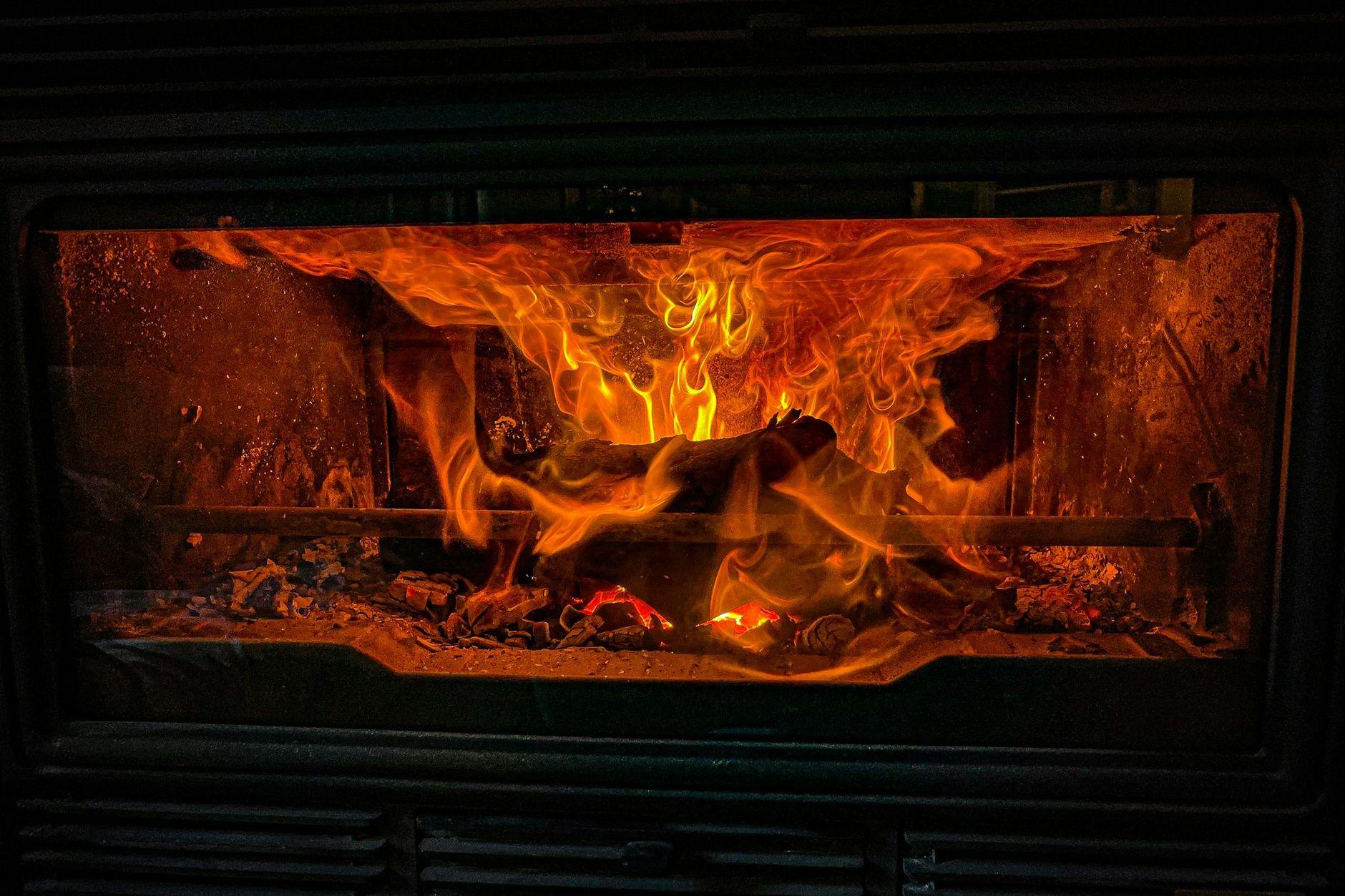
Two ways to heat a room with gas
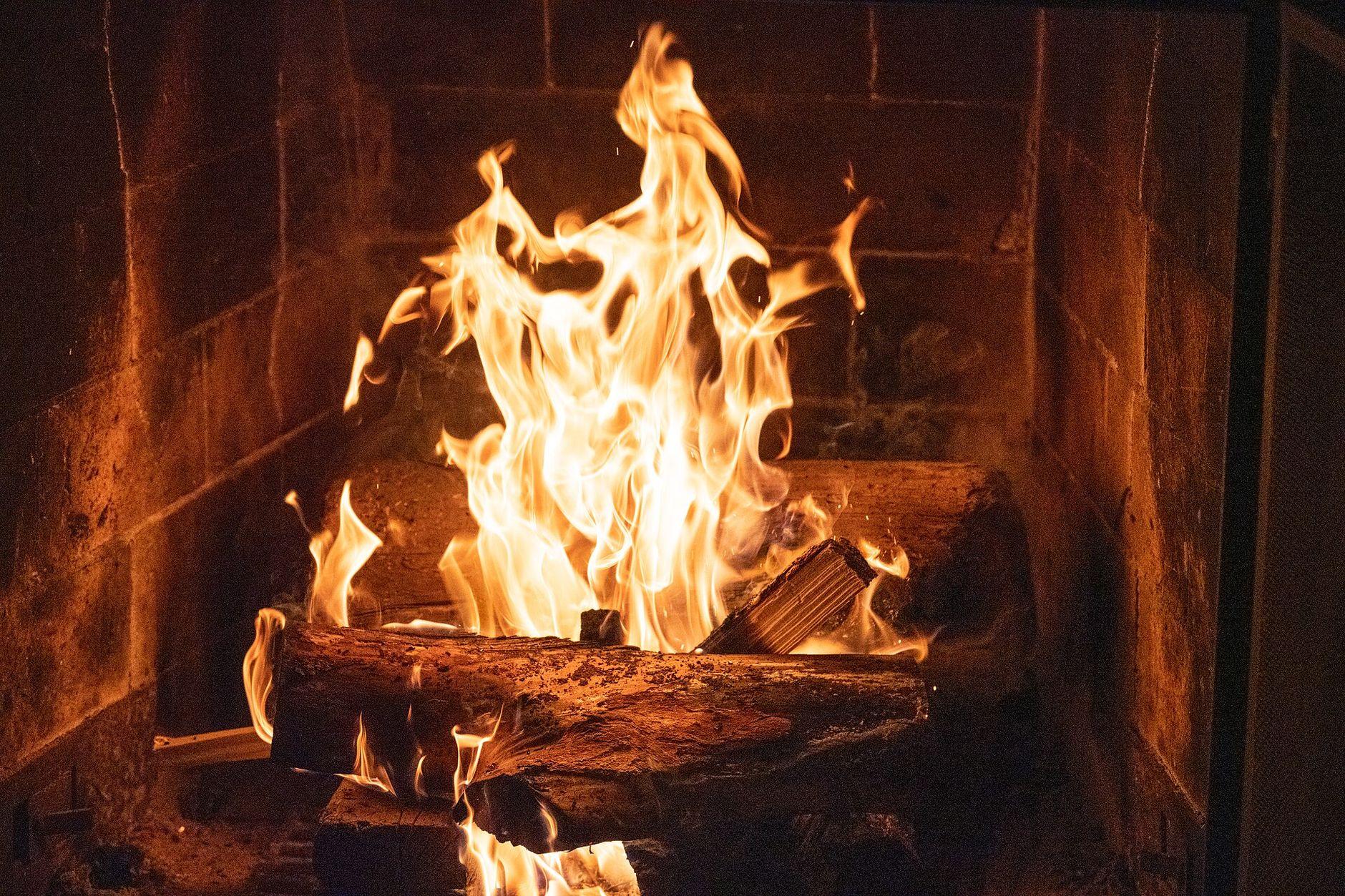
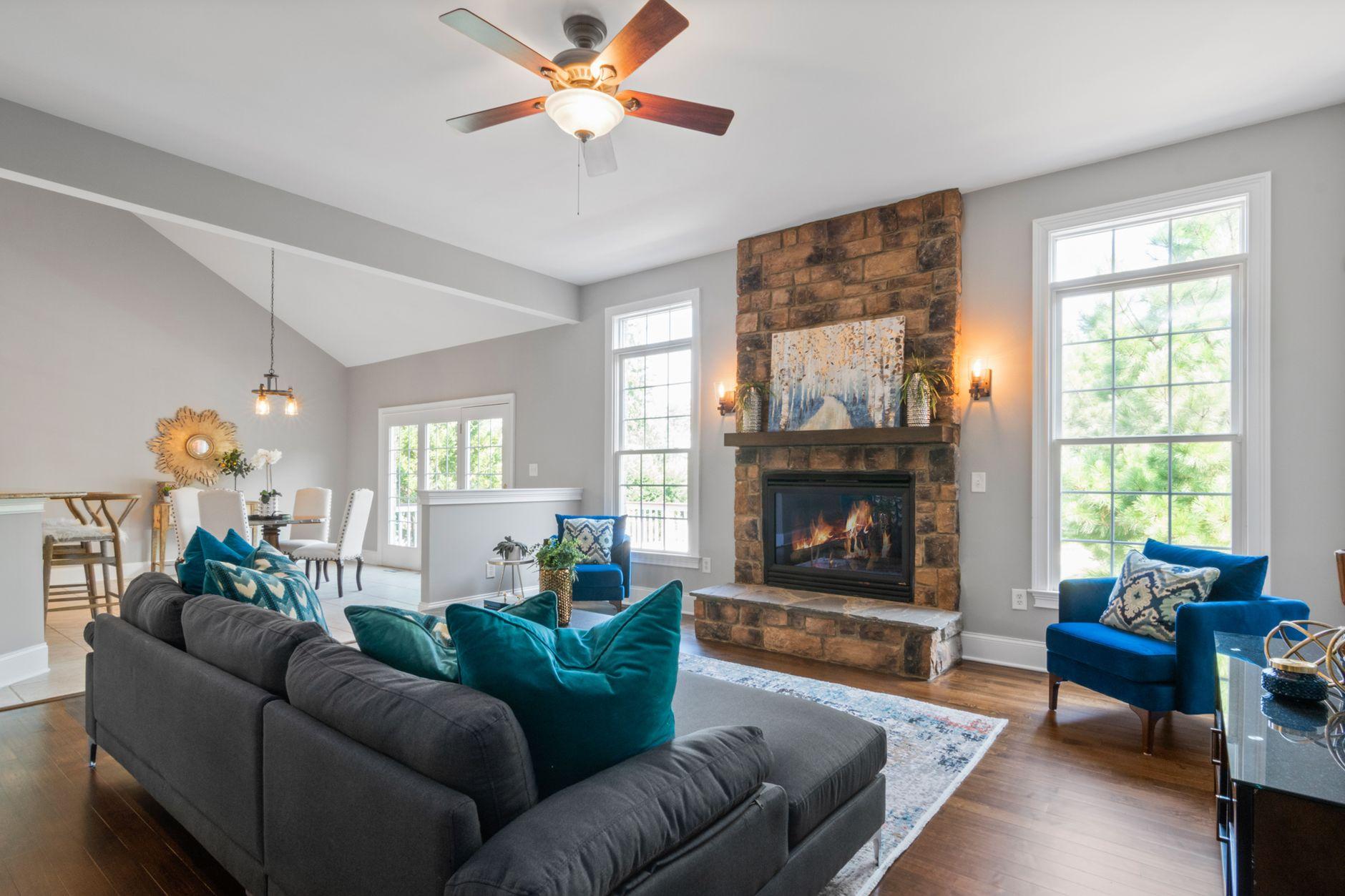
Most people who give up wood in Monterey Park want two things: heat they can switch on, and a flame they can see. There are two appliances that deliver both. One goes inside the fireplace you already have. The other is a self contained unit built into a wall, with or without a chimney anywhere near it. They overlap in what they do and differ a great deal in what it takes to fit them.
This comparison takes each one on its own terms, then sets them side by side.
Option one: an insert in your current fireplace
An insert is a sealed steel firebox with a glass front, sized to slide into the masonry opening you already have. A trim panel covers the gap between the insert and the old brick face. Behind the glass, a gas burner heats the steel, and a fan can push warm air into the room.
Exhaust does not drift up the old flue. Two flexible pipes run from the top of the insert to the top of the chimney: one carries combustion gases out, the other pulls fresh air down to the burner. The old masonry flue becomes a sleeve that protects them.
Fitted by us, an insert costs $2,750 to $5,550. The spread follows the size of the unit, the trim and face you choose, the height of the chimney and whether a gas pipe already reaches the hearth.
Option two: a vented gas fireplace built into a wall
This one does not need a fireplace at all. It is a complete firebox with its own pipe, framed into a wall and finished to match the room. The pipe is a tube inside a tube: exhaust leaves through the middle, outside air comes in around it, and the pair runs out through an outside wall or up through the roof.
It suits a living room or bedroom that never had a fireplace, a house where the old chimney has been taken down after quake damage, or an owner who wants the fire on a different wall. The work involves framing, a gas line run to the new spot, drywall or stone finishing and the vent through the outside wall.
Our price for this, start to finish, is $4,400 to $8,850.
Side by side
| Point | Insert | Built-in wall unit |
|---|---|---|
| Our price | $2,750 to $5,550 | $4,400 to $8,850 |
| Needs an existing fireplace | Yes | No |
| Uses the chimney | As a sleeve for the liners | Not at all |
| Building work | Little; trim panel only | Framing, finishing, vent opening |
| Heat into the room | Good, with a fan | Good, with a fan |
| Old fireplace afterwards | Closed by the insert | Unchanged, or sealed off |
What the chimney has to offer for an insert
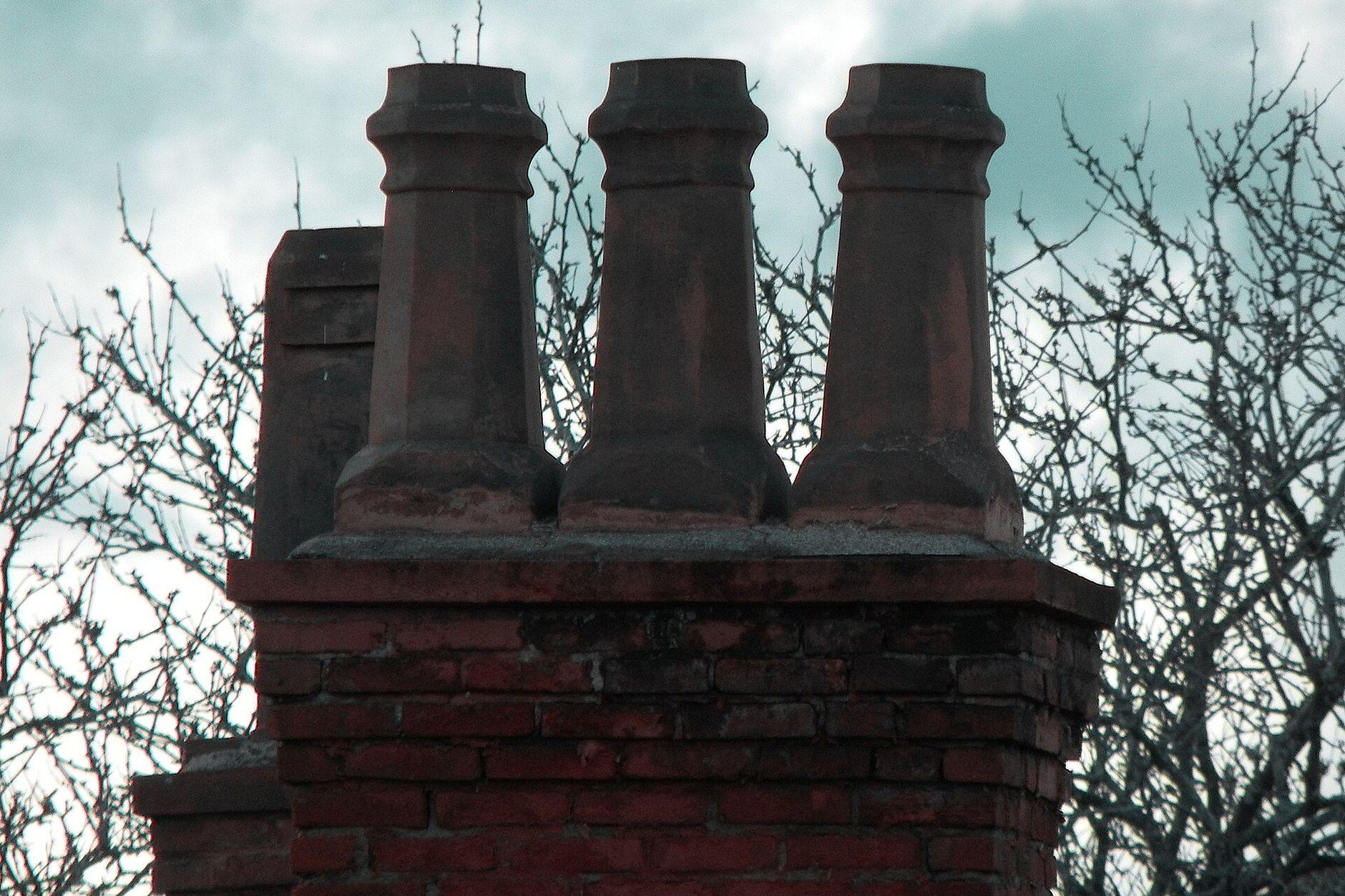
An insert relies on the old chimney as a route, not as a flue. That is good news for owners with cracked tiles, because the new liners carry the exhaust. It still needs some things from the masonry.
The stack has to be structurally sound, because we work on top of it to fit the liner cap. Loose brick near the top or a broken crown comes first.
The flue has to be wide enough for both liners to pass. Some older flues in Monterey Park and Bell are narrow or have offsets where they bend around a beam. The camera tells us before anyone orders a unit.
The damper usually has to come out so the liners can pass through the throat. We do that as part of the install.
What a wall unit needs from the house
A built-in unit needs a wall with room behind it, or space to build a bump out. It needs a vent route to the outdoors that keeps the opening clear of windows, doors and walkways, and a gas line from the house supply. On a slab house that line can be the main cost driver.
If the old chimney is still standing and you plan to keep it unused, we can cap it and seal the old opening so it does not pull warm air out of the house.
What sets the price on each
For an insert:
- the unit size and heat output
- the front and trim style
- chimney height, which sets the liner length
- whether the damper and smoke shelf need cutting back
- whether there is already gas at the hearth
For a built-in unit:
- the unit and its finish
- wall framing or a new bump out
- distance from the gas supply
- the vent run and where it leaves the house
Ask us to price both side by side. In the form, say which room you have in mind and whether it already has a fireplace. We can measure for both on one visit.
Which one suits which house
Choose the insert when you have a masonry fireplace in the right room and want the most heat for the money. It is the cheaper route in almost every case, and it leaves the room's layout alone.
Choose the built-in unit when the room has no fireplace, when the old chimney is too far gone to be worth saving, or when you want the fire somewhere else. It costs more, but it frees you from the chimney entirely.
Choose neither when what you really want is the look of a fire and you rarely sit by it. Gas logs cost less and change less, though they heat poorly.
Factory built metal fireplaces
Plenty of newer tract homes and condos have a metal fireplace rather than brick. Those can only take an insert or log set that their maker has approved for that model. If no listed insert exists, the wall unit route, or replacing the whole metal box, may be the practical answer. We read the label inside the firebox at the visit and tell you which applies.
Before you buy
Whichever route you lean towards, the first visit is the same: we look at the fireplace and the flue, measure, and check where gas reaches the house. For the insert route a chimney liner plan comes with the quote. For a new wall unit, see our fireplace inserts and remodel pages for what the finished wall can look like.
Next move
If you are weighing these two for a Monterey Park home, start on the contact page. Say which room and what is there now, and we will book a visit to measure for one or both.
Want This Priced for Your House?
Sumner Chimney Care measures the firebox, checks the flue and writes up gas logs, an insert or a direct-vent unit with a price beside each. We work from Monterey Park across San Gabriel, Bell and Los Angeles.