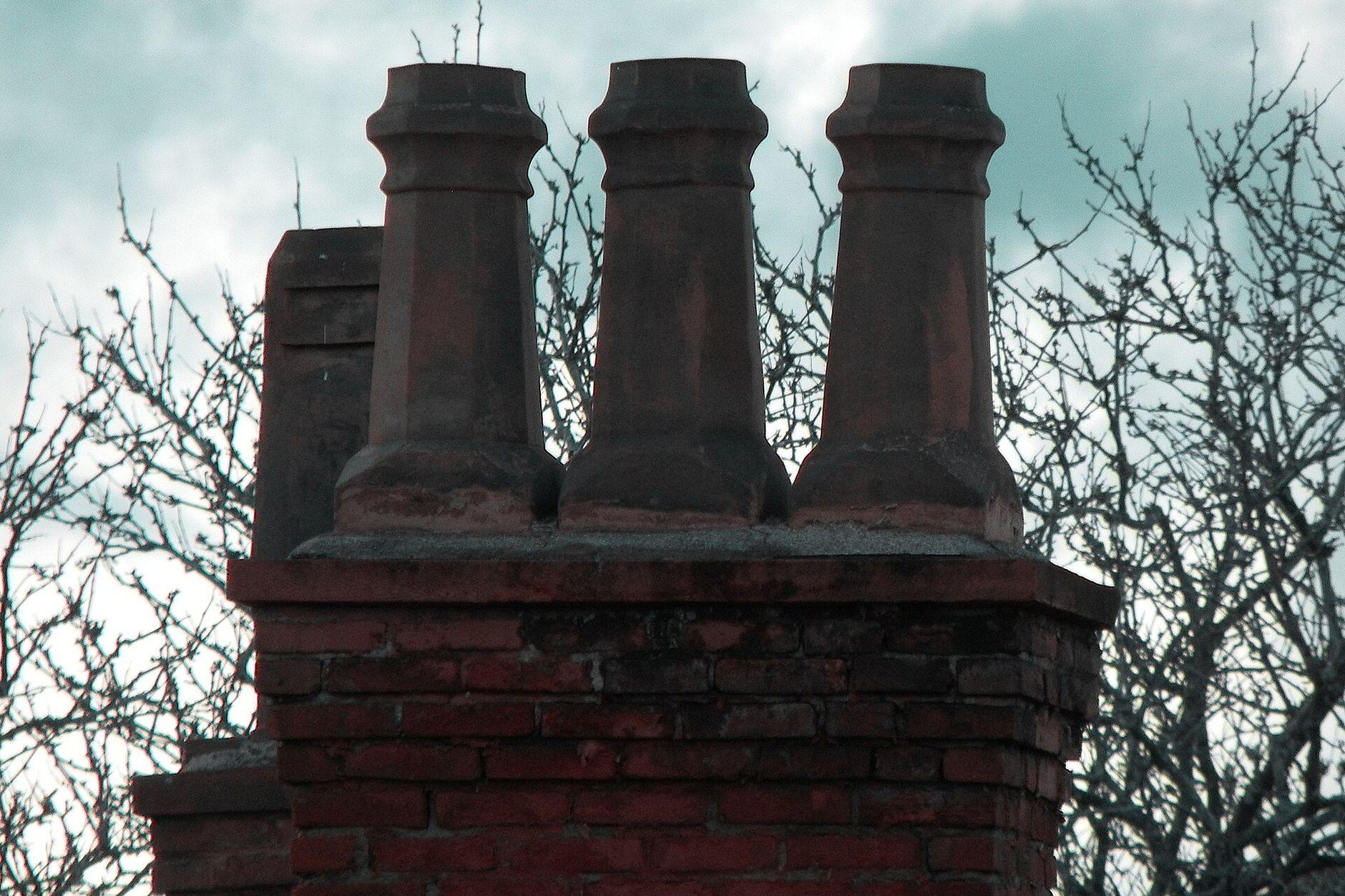
The fireplace you are buying and the one you want
Many buyers walk through a house in Monterey Park, see a brick fireplace and think the same thing: we will never haul wood, but gas would be nice. That plan is fine. The trouble is that the price of carrying it out depends on a chimney nobody has looked inside yet. Once escrow closes, any surprise is yours alone. While escrow is open, it is something you can negotiate.
This post covers the inspection that answers the gas question during a purchase, what it checks, what it costs, and how to use what it finds.
Why the general inspection is not enough
The home inspector you hire covers the roof, wiring, plumbing, foundation and every room in a single visit. The fireplace gets a glance and a flashlight. Inspectors know this, which is why their reports often say the chimney needs evaluation by a specialist. That note is not a red flag about the house. It is the inspector telling you which part they could not see.
What they cannot see is the flue: the tall passage from the top of the firebox to the cap. A gas appliance depends on it as much as a wood fire does.
Which level to book
Chimney inspections come in three levels under NFPA 211, the national fire code standard for chimneys and venting. For a purchase, the middle one is the right fit.
Level 1 is a visual check of the parts in plain reach. It costs $54, and it suits an owner who has used the same fireplace for years without changes. It does not run a camera through the flue.
Level 2 adds a video camera along the inside of the flue and a look at the chimney from the roof and through the attic. It costs $385. The standard points to this level when a property changes owners and when the fuel or appliance is about to change. A buyer planning to switch to gas meets both of those at once.
Level 3 means opening up the structure to reach a hidden fault. It is rare, and only follows when a Level 2 finds something it cannot reach.
What we look at with gas in mind
On a Level 2 for a buyer who wants gas, we pay closer attention to the parts that decide the cost of the switch:
- the size of the flue, which limits what liner can fit for an insert
- cracks, gaps or missing pieces in the tile, which a vented log set would still send exhaust past
- the damper, which must be fixed partly open for logs or removed for an insert
- the smoke chamber above the damper, where liners pass through
- the top of the stack: cap, crown and the brick under them
- whether a gas pipe already reaches the hearth
The report ends with a readiness line: whether the chimney can take a log set as it stands, whether an insert with its own liner is the more sensible route, or whether repairs come first either way.
What decides the next step
The inspection price is fixed. What happens after depends on what the camera shows:
- a sound flue with a working damper usually means gas logs can go in with little prep
- cracked tile pushes the choice toward an insert, whose liners carry the exhaust instead
- damage at the top of the stack has to be repaired before either one
- no gas at the hearth adds a supply line to whichever route you pick
Book a Level 2 for the house you are buying. In the form, note the address, who will let us in and that you are planning a gas conversion, so the report covers it.
Getting the report to the right people
The report belongs to the person who pays for it. Buyers usually ask us to copy their agent, and sometimes a lender or family member. Each finding comes with a photo or camera still, where on the chimney it is, and how urgent it is.
Where we publish a price for the fix, it is in the report: a leak found and stopped costs $555 to $3,300, and a sealed gas insert fitted to the existing opening is $2,750 to $5,550. A new cap is quoted after we measure. Where we do not publish a price, the report says the item needs measuring, and we can come back while escrow is still open.
Using the findings in the deal
A report like this gives you three choices for each item. You can ask the seller to fix it before closing. You can ask for a credit and handle it yourself afterwards. Or you can accept it, knowing what it will cost.
For a buyer planning gas, the second choice is often the neatest. If the camera shows cracked tile that would need a liner for wood, and you plan an insert that brings its own liner, a credit toward the insert can cover both needs at once. Your agent decides how to frame the request; our job is to make the findings and prices clear.
Timing inside escrow
Order counts more than speed. Book the general inspection first, or alongside ours. If their report flags the chimney, book the Level 2 as early in the inspection period as you can, because a serious finding may lead to a second visit to measure a repair. The earlier the camera runs, the more room you have to ask for something.
If you are buying in Monterey Park, San Gabriel, Los Angeles or Bell, the same rules apply. Many older houses in all four have brick chimneys, and this side of the county took a hard shake in the 1987 Whittier Narrows earthquake, so old cracks inside a flue are worth looking for.
When you are the seller instead
Sellers can book the same inspection before listing. A Level 2 done early tells you what a buyer's inspector is likely to find, and gives you time to fix it or price it into the listing. More on that on our home sale inspection page.
Getting it booked
Use our contact page while the inspection period is open. A line with the address and the gas plan is enough for us to set the visit and send the report where you want it.
Want This Priced for Your House?
Sumner Chimney Care measures the firebox, checks the flue and writes up gas logs, an insert or a direct-vent unit with a price beside each. We work from Monterey Park across San Gabriel, Bell and Los Angeles.